It's Okay to Be Different Autism PNG: A Practical Guide for Educators and Advocates
In the landscape of digital resources for autism awareness, visual assets play a critical role in communication. The It's Okay to Be Different Autism PNG has emerged as a distinct option for those seeking to promote neurodiversity through design. Unlike generic clip art or low-resolution images often found on free stock sites, this specific graphic is engineered with high-fidelity standards suitable for both digital display and physical production. For teachers preparing classroom environments, parents creating personalized apparel, or small business owners launching awareness campaigns, understanding the technical and aesthetic merits of this file format is essential before making a selection.
Defining the Design and Technical Specifications
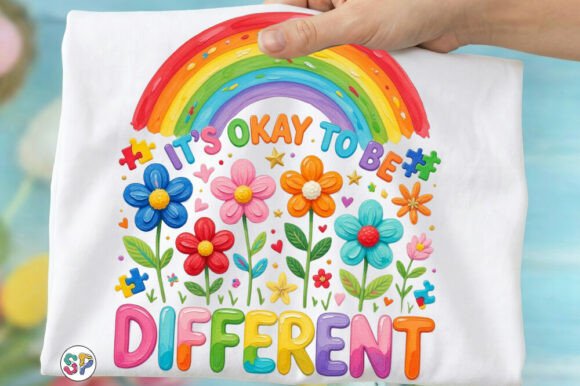
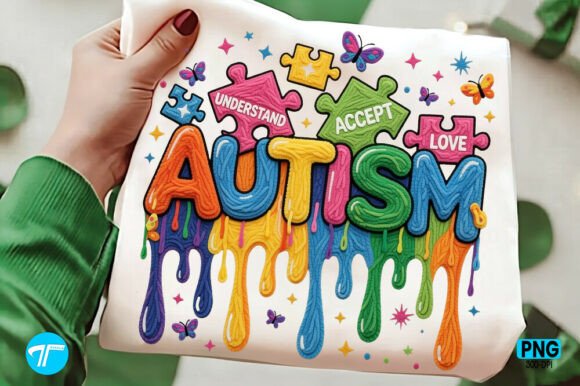
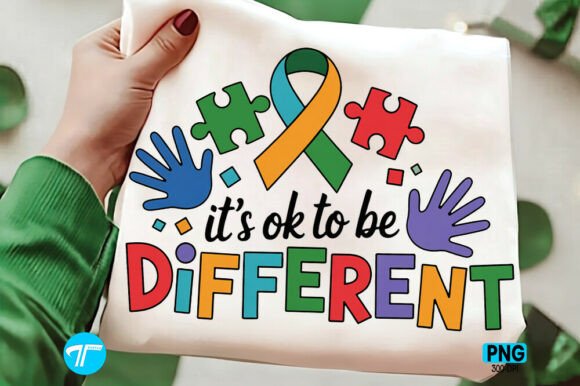
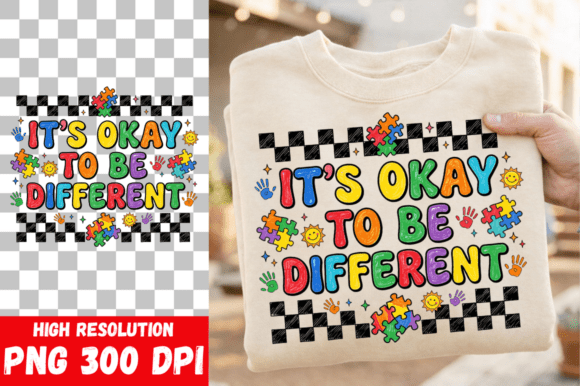
The core value of the It's Okay to Be Different Autism PNG lies in its combination of emotional resonance and technical precision. Visually, the design utilizes a playful doodle style that incorporates colorful puzzle pieces, radiant suns, and handprints. These elements are not merely decorative; they serve as established symbols within the autism community, representing the complexity of the condition (puzzle pieces) and the warmth of human connection (handprints). The use of bold primary colors ensures visibility and engagement, which is particularly important for educational settings where capturing attention is key.
From a technical standpoint, the file is delivered as a Portable Network Graphics (PNG) image with a transparent background. This transparency is a significant differentiator compared to JPEG formats, which typically include white borders that complicate layering in design software. With a resolution exceeding 5000 pixels and a print density of 300 DPI, the asset meets professional printing standards. This specification allows the image to be scaled up for large-format applications, such as banners or tote bags, without the pixelation or blurring that plagues lower-quality alternatives. For users working with sublimation printers, Direct-to-Film (DTF) transfers, or cutting machines like Cricut and Silhouette, this level of detail ensures crisp edges and vibrant color reproduction.
Comparing Formats: PNG Versus Vector and Raster Alternatives
When evaluating digital assets for advocacy projects, the choice between a high-resolution PNG and other formats like SVG (Scalable Vector Graphics) or EPS is a common decision point. Each format serves different needs based on the intended application.
PNG Advantages: The It's Okay to Be Different Autism PNG excels in scenarios requiring complex shading, gradients, or hand-drawn textures that are difficult to replicate in vector formats. Because the doodle style relies on organic lines and varied brush strokes, a raster format preserves the artistic integrity of the original drawing. It is immediately compatible with most photo editing software and print-on-demand platforms without requiring conversion.
Vector Considerations: Conversely, if a project requires infinite scalability—such as a massive billboard or a logo that must be resized frequently—a vector file might be theoretically superior. However, converting a hand-drawn aesthetic to vector can sometimes result in a "cleaned-up" look that loses the personal, heartwarming touch of the original artwork. For standard t-shirts, stickers, and classroom posters, the 5000px resolution of this PNG provides more than enough clarity, making the trade-off of vector scalability negligible for most end-users.
Low-Resolution Alternatives: Many free resources available online offer similar themes but at much lower resolutions (often under 72 DPI). While these may suffice for a quick social media post, they fail when printed. Attempting to print a low-res image results in jagged edges and muddy colors, undermining the message of professionalism and care. Investing in a high-DPI asset ensures that the final product reflects the seriousness and pride associated with neurodiversity advocacy.
Evaluating Use Cases: Where This Design Fits Best
The versatility of the It's Okay to Be Different Autism PNG makes it suitable for a wide range of applications, but its strengths are most pronounced in specific contexts.
- Classroom Decor: Special education teachers often need visuals that are welcoming rather than clinical. The bright, engaging nature of this design helps create an inclusive atmosphere. The transparent background allows educators to easily overlay the image onto bulletin boards, lesson plans, or digital slides without awkward white boxes.
- Apparel and Merchandise: For Autism Awareness Month, many individuals seek custom shirts. The high contrast and bold colors of this graphic translate exceptionally well to sublimation and screen printing. The clear separation of the design from the background ensures that the text "It's Okay to Be Different" remains legible even on darker fabrics.
- Digital Advocacy: Support groups and organizations can utilize the file for website headers, email newsletters, and social media graphics. The emotional tone of the doodle style fosters a sense of community and acceptance, aligning with the goals of neurodiversity movements.
Decision Factors: When to Choose This Asset Over Others
Selecting the right visual resource depends on balancing aesthetic goals with practical constraints. The It's Okay to Be Different Autism PNG is likely the optimal choice if your priority is a balance of professional quality and approachable warmth. If you require a minimalist, corporate-style logo, this playful doodle aesthetic may feel too informal. Similarly, if your project demands strict adherence to specific brand guidelines that exclude puzzle piece imagery, this design would not be appropriate.
However, for DIY crafters and small business owners who lack access to professional illustrators, this pre-made asset offers a significant advantage. Creating a custom illustration from scratch requires time, artistic skill, and software proficiency. By utilizing this high-quality PNG, creators can bypass the production phase and focus on distribution and messaging. The "print-ready" status eliminates the guesswork regarding DPI and color profiles, reducing the risk of costly printing errors.
One limitation to consider is the static nature of the file. Unlike editable vector files, the text and individual elements cannot be rearranged or recolored without advanced photo manipulation skills. If a user needs to change the wording to something other than "It's Okay to Be Different," they would need to source a different asset or hire a designer. Therefore, this product is best suited for those who resonate with the specific message and visual style presented.
Practical Implementation for Educators and Creators
For those deciding to incorporate this graphic into their workflow, the process is streamlined by the file's specifications. In sublimation workflows, the transparent background allows the design to sit directly on the transfer paper, ensuring no white halo appears around the image after heat pressing. For vinyl cutting machines, while the PNG itself is not cuttable, the high resolution allows users to trace the outlines accurately using software like Silhouette Studio or Cricut Design Space.
Parents creating gifts for family members will find the emotional impact of the handprints and suns particularly effective. These elements convey a personal touch that mass-produced merchandise often lacks. When used on tote bags for awareness walks, the durability of the print—thanks to the 300 DPI resolution—ensures the message remains vibrant throughout the event.
Conclusion: Making an Informed Choice
The It's Okay to Be Different Autism PNG represents a robust solution for those looking to celebrate neurodiversity with high-quality visuals. Its strength lies in the seamless integration of a supportive message with technical excellence. While it may not replace the need for custom vector illustrations in every scenario, it fills a vital gap for educators, parents, and advocates who need reliable, ready-to-use assets that communicate acceptance and pride. By weighing the benefits of high resolution and transparent backgrounds against the limitations of a fixed design, users can determine if this resource aligns with their specific project requirements. Ultimately, the goal is to spread positivity, and a tool that facilitates professional, heartfelt expression serves that mission effectively.