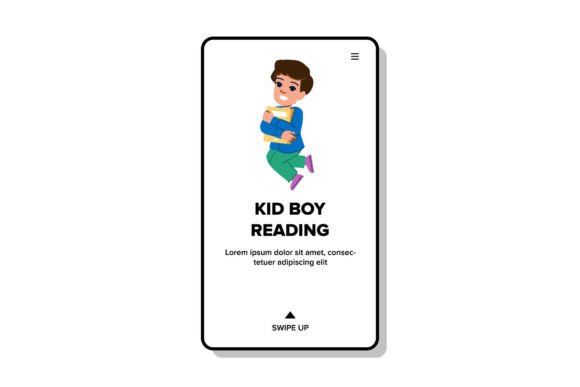
Education Kid Boy Reading Vector: A Visual Tool for Modern Storytelling
In the crowded landscape of digital design, finding an image that instantly communicates a message without clutter is often the difference between engagement and indifference. The Education Kid Boy Reading Vector has emerged as a staple asset for designers, educators, and marketers who need to convey themes of learning, curiosity, and childhood development quickly and effectively. This specific type of illustration—typically featuring a cute little boy immersed in a book—is more than just a decorative element; it is a functional communication tool that bridges the gap between complex educational concepts and visual simplicity.
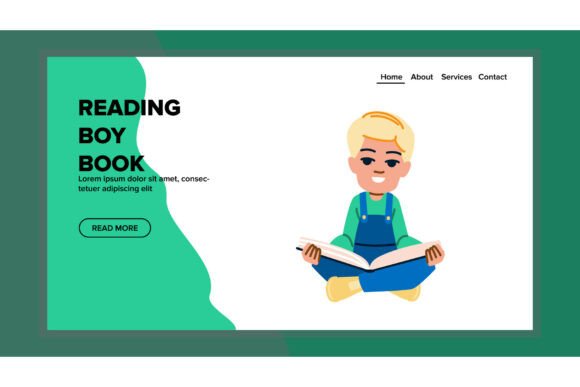
When you search for terms like "education kid boy reading vector" or look for "cute little knowledge young school happy education kid boy reading web flat cartoon illustration," you are looking for more than a picture. You are seeking a visual shorthand that resonates with parents, teachers, and administrators. These flat cartoon illustrations strip away unnecessary details, focusing on the core emotion: the joy of discovery. Whether used on a website landing page, a mobile app interface, or a printed brochure, this imagery serves as an anchor point for content related to literacy, academic growth, and early childhood development.
The Versatility of Flat Cartoon Illustrations in Education
The popularity of the flat cartoon style cannot be overstated in the current digital ecosystem. Unlike photorealistic images which can sometimes feel staged or generic, a well-crafted vector illustration offers a sense of warmth and approachability. When an adult audience aged 20 to 50 encounters a "happy education kid boy reading" graphic, they immediately associate it with positive outcomes. It triggers a psychological response linked to nostalgia, hope for the future, and the universal value of schooling.
This style is particularly effective because it scales perfectly. A vector file can be resized from a tiny icon on a mobile notification to a massive billboard without losing quality. For a startup launching a new literacy app, this flexibility is crucial. They might use a small version of the boy reading on their app store icon to signal the app's purpose instantly. Then, on the main landing page, they can expand the same character into a larger scene, perhaps showing him surrounded by floating letters or books, to create a narrative about the learning journey.
The "cute little" aspect of these illustrations plays a significant role in user retention. In the competitive world of EdTech, where users are bombarded with data-heavy dashboards and dry text, a friendly character provides a human element. It softens the interface, making the learning process feel less like a chore and more like an adventure. This is why so many platforms choose this specific aesthetic over stock photography; it feels curated and intentional rather than accidental.
Real-World Applications Across Industries
While the primary association is with schools, the utility of an Education Kid Boy Reading Vector extends far beyond the classroom walls. Understanding where and how to apply this asset can transform a standard project into something compelling.
- EdTech Product Marketing: Companies developing reading apps, flashcard games, or online tutoring services rely heavily on these visuals. They serve as the "hero image" on sales pages, helping potential customers visualize the end-user experience. A parent scrolling through a list of apps is more likely to click on one that features a smiling, engaged child than one with abstract geometric shapes.
- Publishing and Content Creation: Bloggers and authors writing about parenting, homeschooling, or child psychology use these vectors to break up text and illustrate points. An article discussing the importance of bedtime stories becomes much more relatable when paired with a visual of a "knowledge young school happy education kid boy reading."
- Non-Profit and Advocacy Campaigns: Organizations fighting against illiteracy or fundraising for school libraries use these images to evoke empathy. The innocence depicted in the "cute little" character highlights the stakes of the mission, encouraging donations and volunteer sign-ups.
- Corporate Training and HR: Even in corporate settings, these illustrations find a place in materials regarding family benefits, parental leave policies, or company-sponsored scholarship programs. They help humanize corporate communications, reminding employees that the company values their families' educational growth.
Tailoring the Message for Different Audiences
Different users benefit from this imagery in unique ways. For a teacher creating a lesson plan handout, the vector acts as a reward or a thematic header that keeps students engaged. For a graphic designer working on a brand identity for a kindergarten, the character becomes a mascot, giving the institution a recognizable face. For a marketing manager, it is a conversion tool, guiding the user's eye toward a call-to-action button.
Consider the scenario of a library system redesigning its website. By integrating a custom variation of the "education kid boy reading" theme, they can guide users intuitively. The character could be placed next to the "New Arrivals" section, holding a specific book, signaling freshness and excitement. In another area, the same character might be shown with a magnifying glass, directing users to the research database. This consistency creates a cohesive user experience that feels friendly and navigable.
Strategic Considerations Before Implementation
While the appeal of these illustrations is broad, choosing the right one requires careful thought. Not every "cute little" image will fit every context. Before downloading or commissioning an Education Kid Boy Reading Vector, consider the tone of your project. Is it playful and whimsical, or serious and academic? The expression on the boy's face matters immensely. A wide-eyed, grinning character suggests fun and play-based learning, while a focused, calm expression implies deep concentration and study.
Color palette is another critical factor. The "web flat cartoon illustration" style often relies on vibrant, saturated colors to grab attention. However, if your brand guidelines require a muted, professional color scheme, using a neon-bright vector might clash with your overall design. Many high-quality vector assets come with customizable layers, allowing you to adjust skin tones, clothing colors, and background elements to match your specific branding needs. This adaptability is a key strength of vector graphics compared to raster images.
Cultural representation is also a vital consideration. In a globalized world, ensuring that the "school happy education kid boy" reflects the diversity of your audience can significantly impact engagement. Does the character represent the demographic you are trying to reach? If your service targets a specific community, finding a vector that aligns with those cultural markers—or customizing one to do so—can make your content feel more inclusive and authentic.
Strengths and Limitations of the Format
The primary strength of the Education Kid Boy Reading Vector lies in its scalability and editability. Because it is built on mathematical paths rather than pixels, it remains crisp at any size. Furthermore, designers can easily modify the pose, swap out the book for a tablet, or change the setting from a classroom to a park without starting from scratch. This makes it a cost-effective solution for long-term projects that may evolve over time.
However, there are limitations. The "flat" style, while popular, can sometimes lack the depth and emotional nuance of a high-end photograph or a detailed 3D render. For campaigns that require intense emotional storytelling or a sense of realism, a cartoon illustration might feel too detached. Additionally, because these types of images are widely available, there is a risk of them appearing generic if not customized properly. To avoid this, designers often combine the vector with unique typography, custom patterns, or other graphical elements to create a distinct visual identity.
Ultimately, the decision to use an "education kid boy reading web flat cartoon illustration" should be driven by the goal of the communication. If the objective is to create a welcoming, clear, and universally understood message about learning, this format is hard to beat. It speaks a language that transcends barriers, connecting adults with the simple, profound joy of a child discovering a new world through the pages of a book. By leveraging this visual tool strategically, creators can enhance their projects, engage their audiences, and contribute to a culture that celebrates education.